
As an Amazon Associate, AddWatch earns from qualifying purchases. This does not affect our reviews.
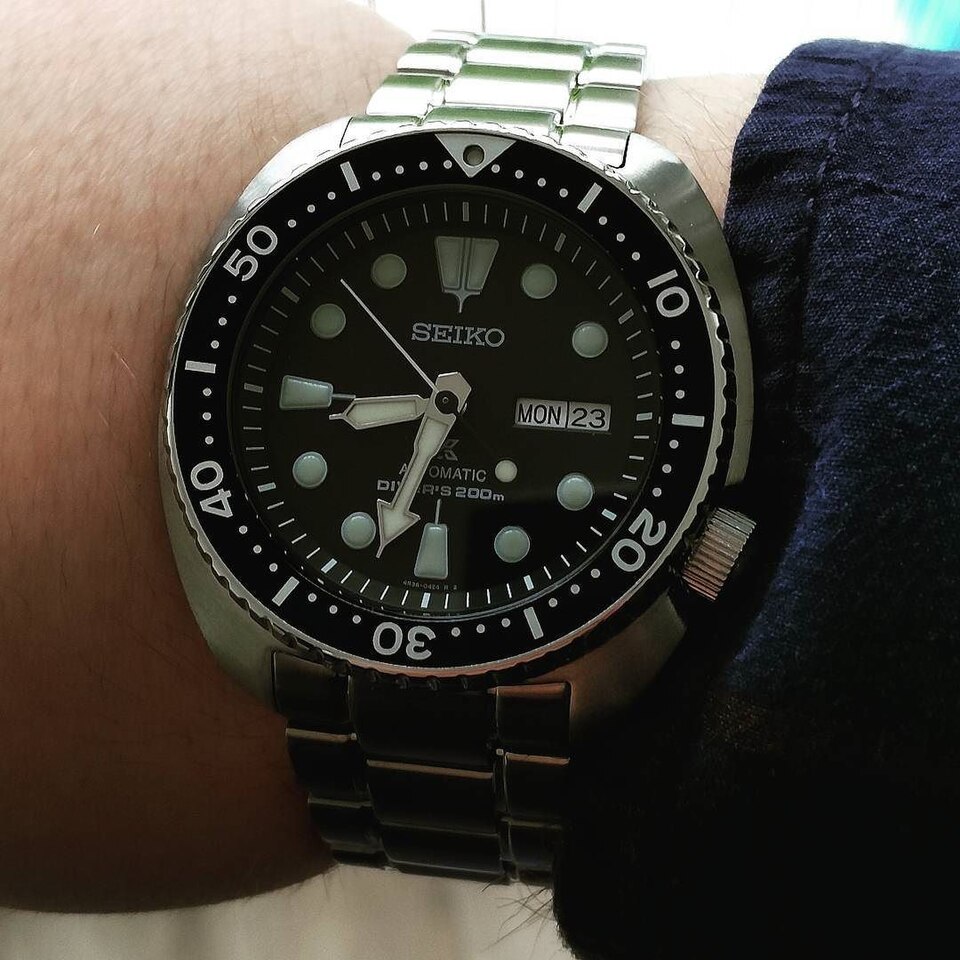
Seiko vs Citizen is the classic Japanese watch rivalry, and there is no single winner. Seiko is the better choice if you want a mechanical watch, a huge range of designs and stronger collector appeal. Citizen is the better choice if you want a watch you never have to wind or put a battery in, thanks to its Eco-Drive solar movements, and more scratch-resistant materials at the same price. Below we compare the two brands category by category, then match three pairs of real models so you can see the difference in practice.
Seiko vs Citizen: head to head
| Category | Seiko | Citizen | Winner |
|---|---|---|---|
| Founded | 1881, Tokyo | 1918, Tokyo (Citizen Watch Co. from 1930) | Seiko, for heritage |
| Signature technology | In-house automatics, first quartz wristwatch, Spring Drive | Eco-Drive light-powered quartz, titanium | Tie |
| Affordable movements | Mechanical 4R35 and 4R36 automatics | Eco-Drive solar quartz, 8210 automatic | Depends on what you want |
| Crystal at entry level | Hardlex | Mineral, sapphire from about $300 | Citizen at mid prices |
| Dive watches | Prospex (Turtle and more) | Promaster | Tie |
| Maintenance | Automatics need service, quartz needs batteries | Eco-Drive needs neither batteries nor winding | Citizen |
| Design range | Very wide | Wide, more conservative | Seiko |
| Collector and resale appeal | Strong | Moderate | Seiko |
| Top tier | Grand Seiko | The Citizen | Seiko |
History and ownership
Seiko traces its roots to 1881, when Kintaro Hattori opened a watch and jewelry shop in Tokyo. The company went on to make Japan's first wristwatch and, in 1969, the world's first quartz wristwatch, the Astron. Today Seiko runs several tiers, from the affordable Seiko 5 Sports to Prospex, Presage and the separate luxury brand Grand Seiko.
Citizen began in 1918 as the Shokosha Watch Research Institute and took the Citizen name for its company in 1930. It focused early on technology rather than tradition: Citizen made one of the first titanium watches in 1970 and turned light-powered quartz into its signature with Eco-Drive. Citizen also owns Bulova, which it bought in 2008, Frederique Constant and the movement maker Miyota.
Is Citizen owned by Seiko? No. Seiko and Citizen are separate, independent Japanese companies and direct competitors. Orient, on the other hand, is part of the Seiko Epson group.
Winner: Seiko, for depth of history and a stronger presence among collectors.
Movements: automatic vs Eco-Drive
This is the biggest difference between the two brands, especially under $500.
Seiko is best known for affordable in-house automatic movements. The 4R36 in the Seiko 5 Sports and the Prospex Turtle winds itself as you wear it, can be wound by hand and stops the seconds hand for precise setting. Seiko rates it at about -35 to +45 seconds per day, though owners usually see much better. Seiko also makes solar and quartz watches, and the Spring Drive movement in its high-end models.
Citizen puts Eco-Drive at the center of its range. A solar cell under the dial charges a rechargeable cell from any light, so the watch runs for months in the dark on a full charge and never needs a battery change. Accuracy is typical quartz, measured in seconds per month. Citizen does make affordable automatics too, such as the Tsuyosa with its caliber 8210.
Winner: depends. Choose Seiko if you want a mechanical watch. Choose Citizen if you want accuracy and almost no maintenance.
Solar: Seiko Solar vs Citizen Eco-Drive
Both brands make light-powered quartz watches, and they work the same way: a solar cell under the dial charges a rechargeable cell, so you never replace a battery. The difference is in focus. Eco-Drive runs through almost the entire Citizen catalog, from simple field watches to dive watches, chronographs and radio-controlled models, and Citizen has been refining it since the 1990s. Seiko Solar is a smaller part of Seiko's range, used mostly in everyday quartz models and some Prospex pieces.
Winner: Citizen. If solar power is the main reason you are buying, Citizen offers far more choice.
Materials and build quality
At entry level, Seiko usually uses Hardlex, its own hardened mineral crystal, while Citizen often uses standard mineral glass. From around $300, Citizen fits sapphire more often than Seiko does at the same price. The Citizen Tsuyosa, for example, has a sapphire crystal at a price where many Seiko models still use Hardlex.
Citizen also leads in titanium, with its Super Titanium watches offering a lighter, harder alternative to steel. Seiko counters with very strong case finishing in its higher tiers and a reputation for robust, overbuilt dive watches.
Winner: Citizen, for more sapphire and titanium per dollar.
Dive watches: Prospex vs Promaster
Both brands make serious, affordable dive watches. Seiko's Prospex line includes the famous Turtle, an ISO-rated 200 m automatic diver with a cushion case that wears smaller than its 45 mm width. Citizen's Promaster line includes the Eco-Drive Promaster Diver, also ISO-rated to 200 m, solar powered and usually cheaper.
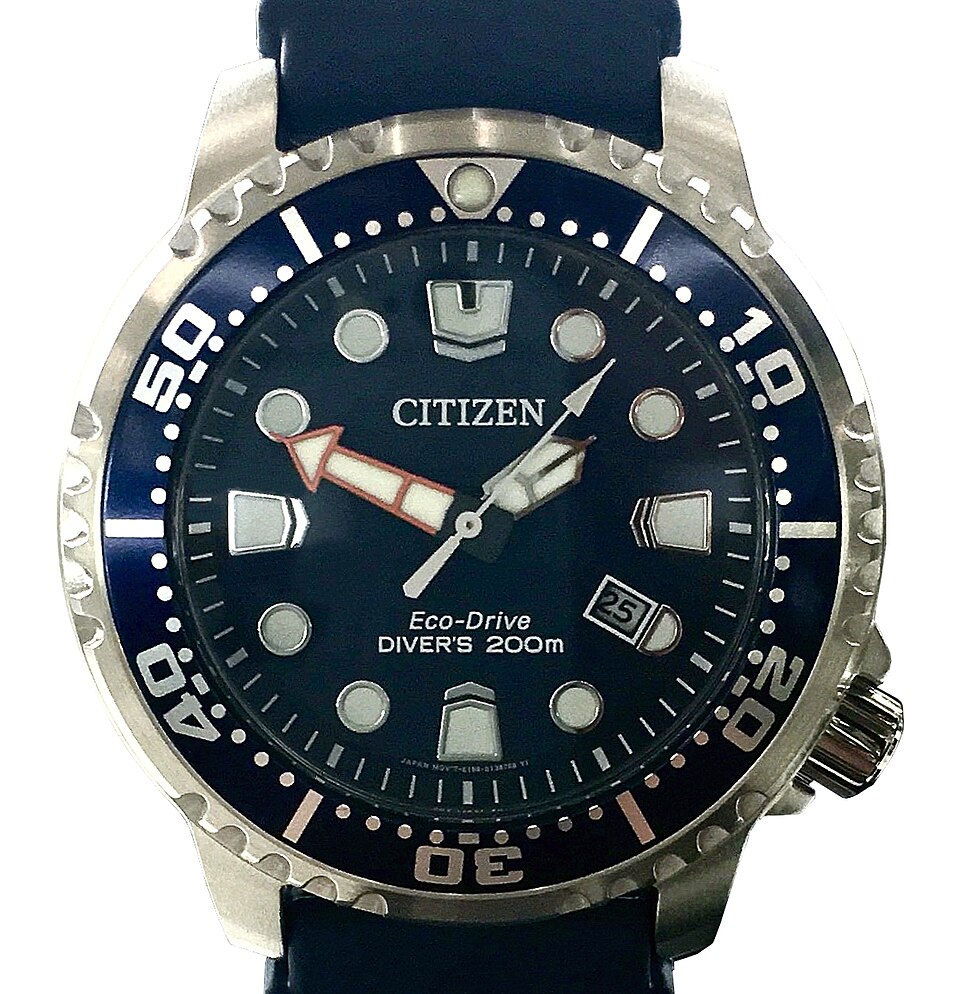
Winner: tie. The Turtle is the better choice if you want a mechanical diver with character. The Promaster is the better choice if you want a low-maintenance diver for less money.
Design and range
Seiko offers a far wider range of styles: dive watches, field watches, dress watches with textured dials, pilots and GMTs, plus countless limited editions. That variety is a big part of why collectors love the brand. Citizen's designs tend to be cleaner and more conservative, with strong options in field, dive and dress watches but fewer adventurous designs at the low end.
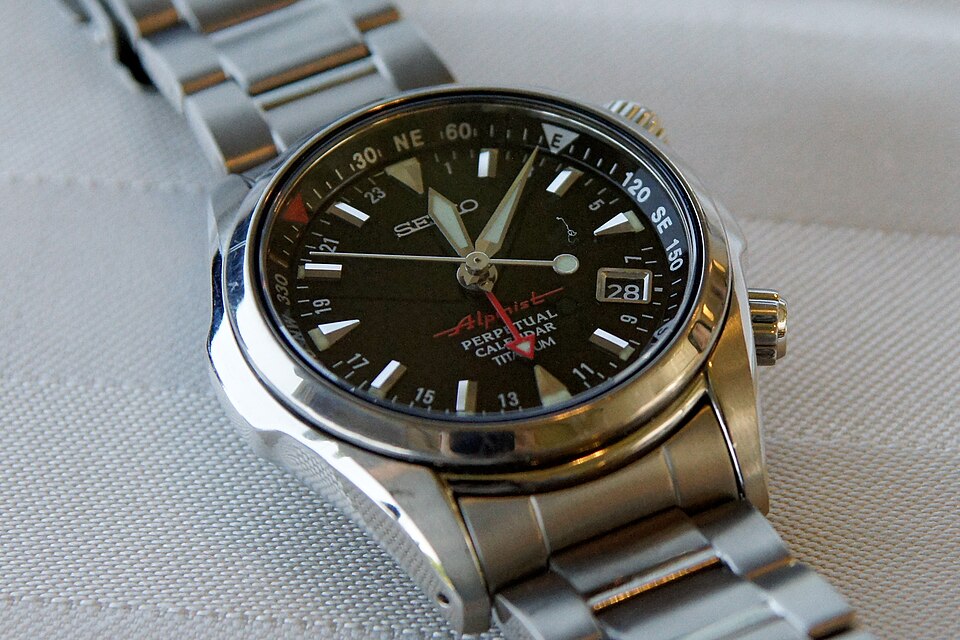
Winner: Seiko, for choice and personality.
Luxury: Grand Seiko vs The Citizen
At the top end, Seiko has the clear advantage. Grand Seiko, now a separate luxury brand, competes with Swiss watches costing several thousand dollars and is known for its Spring Drive movements and exceptional dial and case finishing. Citizen's top line, simply called The Citizen, offers very accurate Eco-Drive and mechanical watches with excellent build quality, but it has a much lower profile outside Japan.
Winner: Seiko, thanks to Grand Seiko's reputation.
Price, value and resale
Both brands deliver excellent value, but in different ways. Citizen tends to give you better specs for the money: sapphire, solar power and titanium. Seiko gives you mechanical movements and iconic designs at prices that are hard to beat. On resale, Seiko generally holds value better because of its collector following, especially for popular models like the Turtle and limited editions. Neither brand should be bought as an investment.
Winner: Citizen for specs per dollar, Seiko for resale.
Three real matchups
Under $300: Seiko 5 Sports SRPD55 vs Citizen Garrison BM8180
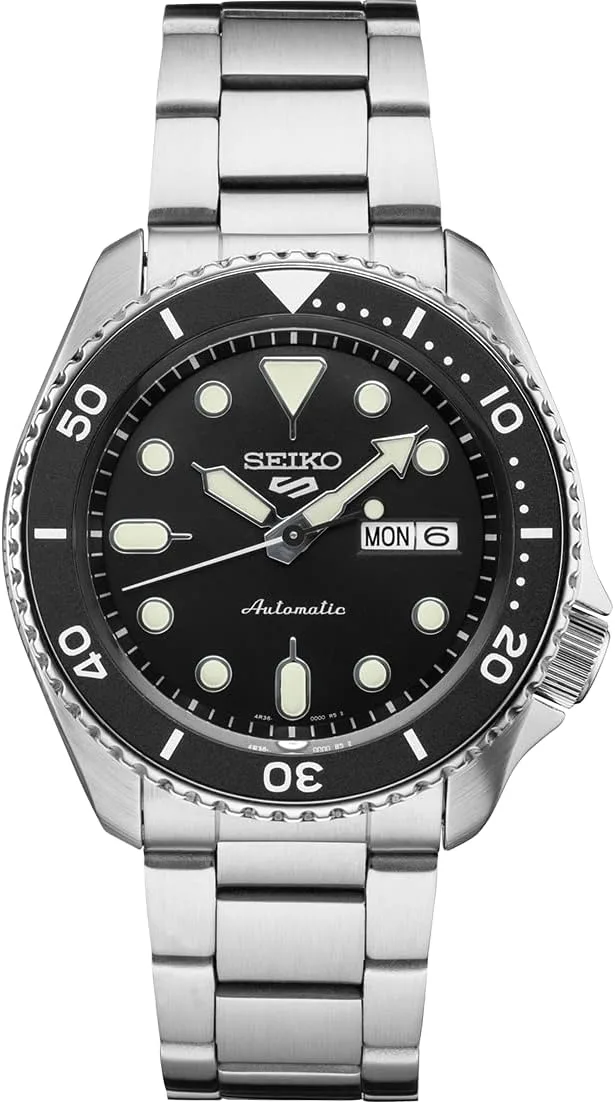
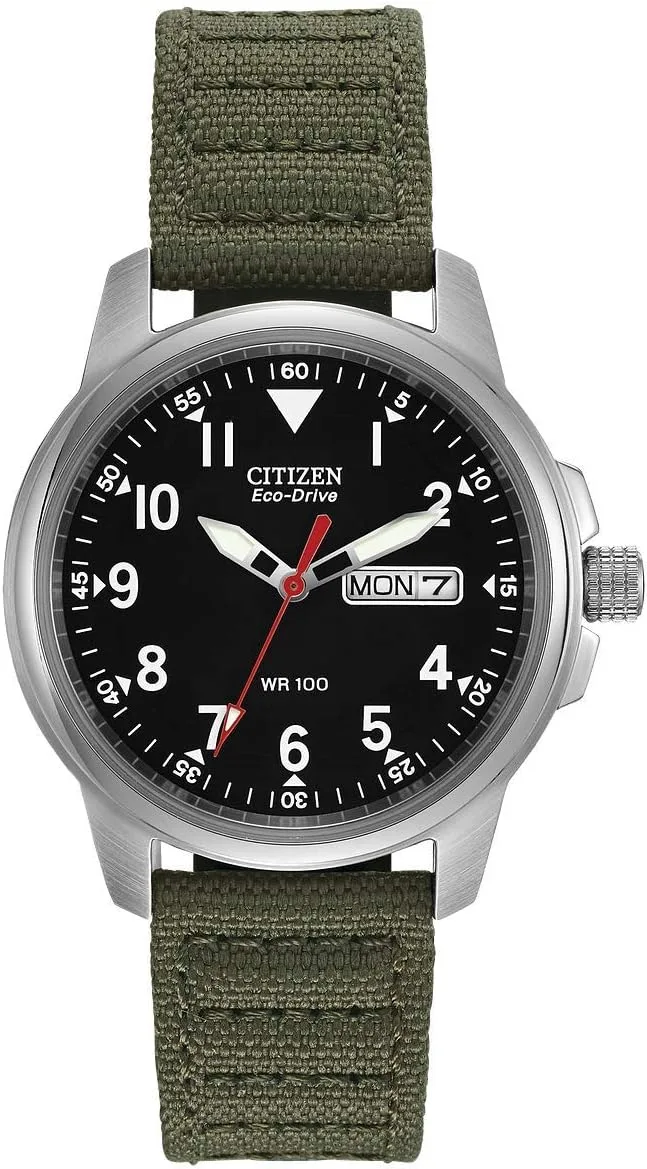
| Spec | Seiko 5 Sports SRPD55 | Citizen Garrison BM8180 |
|---|---|---|
| Movement | 4R36 automatic | Eco-Drive E101 solar |
| Case | 42.5 mm, 13.4 mm thick | 37 mm, 9.5 mm thick |
| Crystal | Hardlex | Mineral |
| Water resistance | 100 m | 100 m |
| Usual price | $220 to $300 | $100 to $200 |
The Seiko 5 is a mechanical sports watch with a rotating bezel and a bracelet. The Garrison is a small, light solar field watch that you can forget about for years. If you want a first automatic, choose the Seiko. If you want a simple, accurate everyday watch that never needs attention, choose the Citizen. We cover the Seiko in depth in our Seiko 5 Sports review.
Dive watches: Seiko Prospex Turtle SRPE93 vs Citizen Promaster Diver BN0150
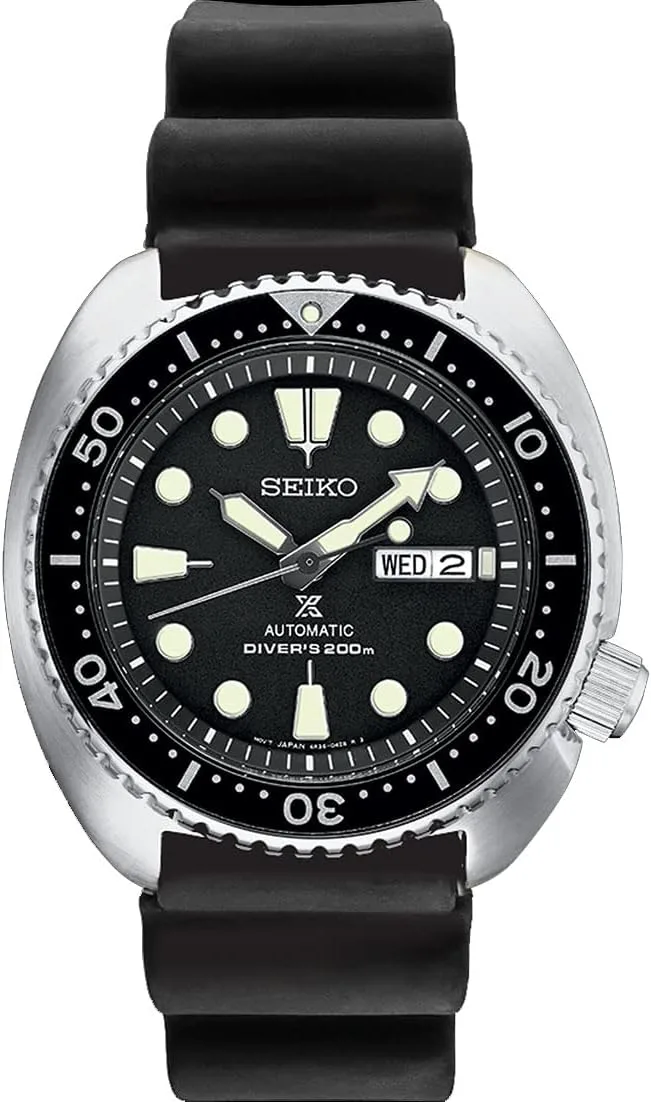
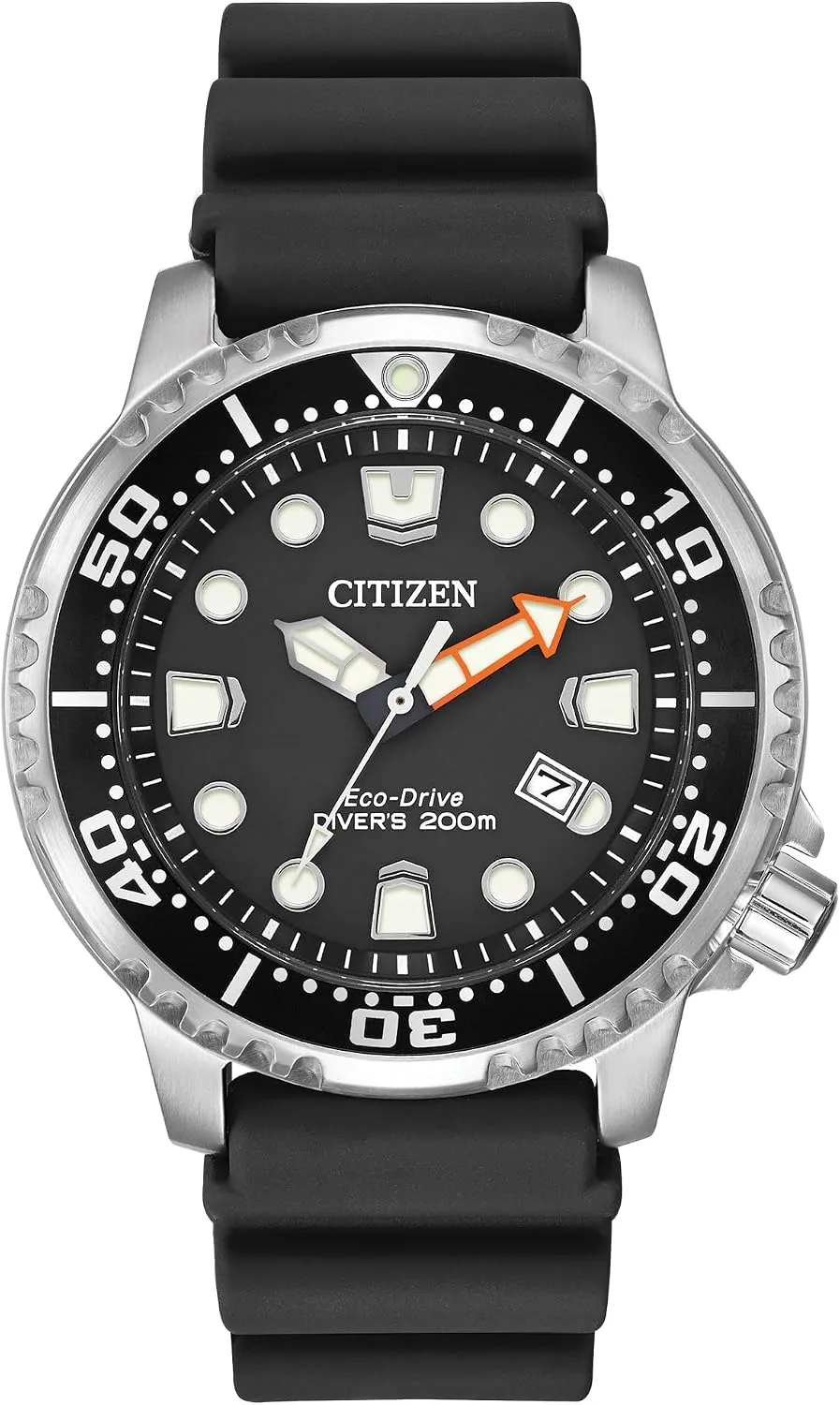
| Spec | Seiko Turtle SRPE93 | Citizen Promaster BN0150 |
|---|---|---|
| Movement | 4R36 automatic, about 41 h | Eco-Drive solar |
| Case | 45 mm, 47.7 mm lug to lug, 13.4 mm | 44 mm |
| Crystal | Hardlex | Mineral |
| Water resistance | 200 m, ISO diver | 200 m, ISO diver |
| Usual price | $300 to $450 | $180 to $300 |
Both are proper dive watches. The Turtle has the more iconic design and a mechanical movement. The Promaster costs less, never needs a battery and is just as capable in the water. The Turtle wins on character, the Promaster on value.
Around $400: Seiko Presage Cocktail Time SRPB41 vs Citizen Tsuyosa NJ0150
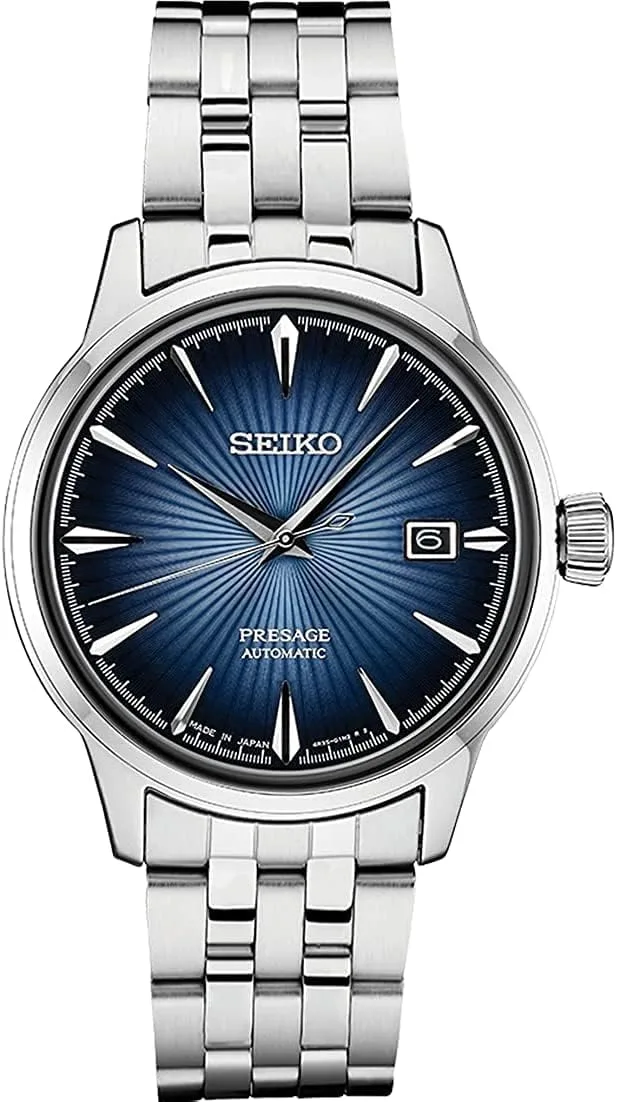
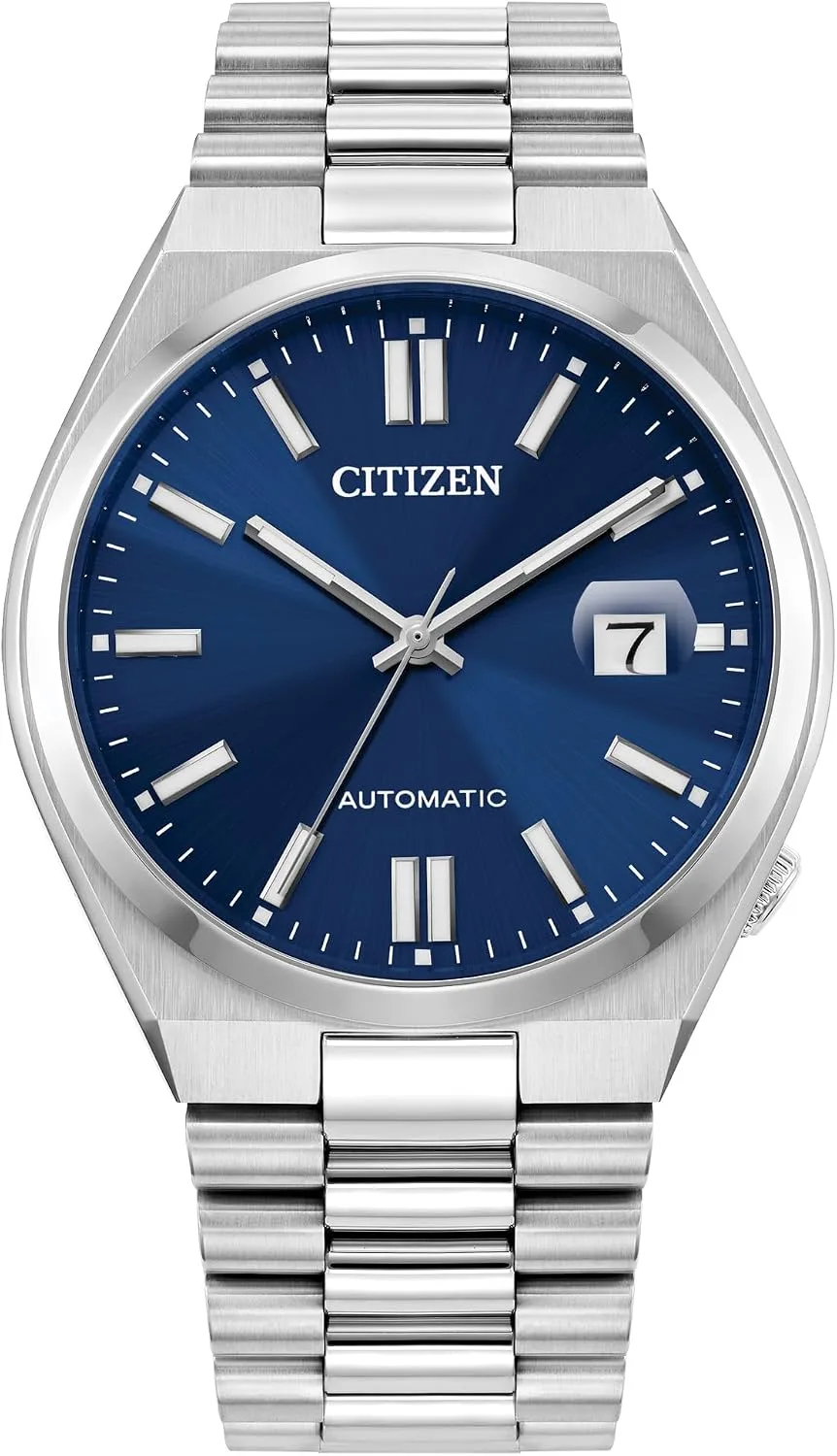
| Spec | Seiko Presage SRPB41 | Citizen Tsuyosa NJ0150 |
|---|---|---|
| Movement | 4R35 automatic, about 41 h | 8210 automatic, about 42 h |
| Case | 40.5 mm, 11.8 mm | 40 mm, about 11 mm |
| Crystal | Box-shaped Hardlex | Sapphire |
| Water resistance | 50 m | 50 m |
| Usual price | $380 to $475 | $300 to $475 |
Here both brands offer an automatic. The Presage has one of the most striking dials at its price and a dressier character. The Tsuyosa has a modern integrated bracelet and a sapphire crystal. Choose the Presage for the dial, the Tsuyosa for durability and a sporty-dressy look.
Choose Seiko if, choose Citizen if
Choose Seiko if you want a mechanical watch, love variety and bold designs, care about collector appeal and resale, or want a dive watch with real character like the Turtle.
Choose Citizen if you want a watch that runs for years without batteries or winding, prefer sapphire and titanium for the money, or want an accurate, low-maintenance watch for everyday wear.
If you are still undecided, our guide to the best watch for the money includes picks from both brands at every budget.
FAQ
Neither is better overall. Seiko is better for mechanical movements, design variety and resale. Citizen is better for low-maintenance Eco-Drive solar watches and for sapphire and titanium at lower prices.
No. Citizen and Seiko are separate, independent Japanese companies and direct competitors. Citizen owns Bulova, while Orient belongs to the Seiko Epson group.
For accuracy and convenience, yes. Eco-Drive is quartz accurate and never needs a battery or winding. An automatic is less accurate and needs occasional service, but many people prefer the craftsmanship of a mechanical movement.
Bulova is an American brand owned by Citizen since 2008. It sits alongside Citizen in the same group and is known for designs like the Lunar Pilot and its high-frequency quartz movements.
Seiko generally holds value better on the second-hand market because of its collector following. Most watches from either brand still sell used for less than their retail price.
For a first automatic, a Seiko 5 Sports is the classic choice. For a first watch you never have to think about, a Citizen Eco-Drive like the Garrison is hard to beat.
Our verdict
Seiko vs Citizen comes down to what you want from a watch. If you want a mechanical heartbeat, iconic designs and a brand collectors love, choose Seiko. If you want a watch that is accurate, tough and practically maintenance free, with more sapphire and titanium for the money, choose Citizen. Both make some of the best value watches in the world, and either one is a smart buy.
Image credits: gabihil via Wikimedia Commons (public domain); Pittigrilli via Wikimedia Commons (CC BY-SA 4.0); 663highland via Wikimedia Commons (CC BY 2.5).