
As an Amazon Associate, AddWatch earns from qualifying purchases. This does not affect our reviews.
Are Seiko watches good? Yes. Seiko is one of the few watch companies that makes almost every part of its watches itself, and its affordable automatics, dive watches and dress watches are among the best values you can buy. The catch is that quality scales with price: a $250 Seiko 5 and a $5,000 Grand Seiko are built to very different standards, and knowing which tier you are buying matters.
Short answer: Seiko is a good watch brand at every price level, but the best value sits between about $250 and $1,000, where you get in-house automatic movements, solid cases and designs with real history. Expect looser accuracy and occasional finishing flaws at the cheapest end.
Is Seiko a good watch brand?
Seiko is a good watch brand because it combines three things few rivals offer together: deep manufacturing ability, a long record of innovation and a huge range of prices. Kintaro Hattori opened the business in Tokyo in 1881, and in 1892 he founded the Seikosha factory, whose name roughly means house of exquisite workmanship.
The company made Japan's first wristwatch, the Laurel, in 1913. In 1969 it launched the Astron, the world's first quartz wristwatch, which was accurate to within about five seconds a month and changed the entire watch industry. The same year it released one of the first automatic chronographs with a column wheel and vertical clutch. Later innovations include Kinetic, which charges a quartz watch from wrist movement, and Spring Drive, a mechanical movement regulated electronically for near-quartz accuracy.
What matters most for buyers is vertical integration. Seiko can design and build the roughly 200 parts of its mechanical movements in-house, including hairsprings, mainsprings and the lubricants, which is rare even among Swiss brands. That is why Seiko can sell a reliable automatic for a fraction of what a comparable Swiss watch costs.
Seiko watch quality by price tier
Seiko quality depends heavily on which line you buy. The brand covers everything from basic quartz watches to hand-finished luxury pieces, so the useful question is not whether Seiko is good, but which Seiko fits your budget.
| Tier | Typical lines | Usual price | Movement | What you get |
|---|---|---|---|---|
| Entry | Seiko quartz basics, Seiko 5 Sports | $100 to $350 | Quartz or 4R36 automatic | Durable, simple, loose accuracy on automatics |
| Mid-range | Presage, Prospex automatics | $350 to $1,200 | 4R35, 6R35, 6R55 | Better dials, longer power reserve, stronger finishing |
| Upper | Prospex LX, King Seiko, Astron | $1,200 to $3,000+ | 6R, 8L, GPS solar | Premium cases, tighter specs, more complications |
| Luxury | Grand Seiko (separate brand) | $3,000 and up | 9S, 9R Spring Drive, 9F quartz | Hand finishing comparable to top Swiss brands |
The jump from the entry tier to the mid-range is where most buyers feel the biggest improvement, mainly in power reserve, accuracy and dial quality.
Are Seiko automatic watches good?
Seiko automatics are good, durable movements, but their factory accuracy ratings are looser than many buyers expect. The difference between the calibers matters.
| Caliber | Found in | Power reserve | Rated accuracy |
|---|---|---|---|
| 4R36 | Seiko 5 Sports, Turtle, many Presage | About 41 hours | +45 to -35 seconds per day |
| 6R35 | Alpinist, many Prospex, upper Presage | About 70 hours | +25 to -15 seconds per day |
| 6R55 | Newer Prospex and King Seiko | About 72 hours | +25 to -15 seconds per day |
The 4R36 is a workhorse that powers most Seikos under $500. It hacks, hand-winds and shows the day and date, and it is easy and cheap to service. Its rating of +45 to -35 seconds a day is wide, although many owners report results well inside that range. The 6R35 and 6R55 add a much longer power reserve and a tighter rating, which is why mid-range Seikos are the sweet spot. If you are new to automatics, our guide to the mechanical watch explains what these numbers mean in daily use.
Are Seiko watches good for the money?
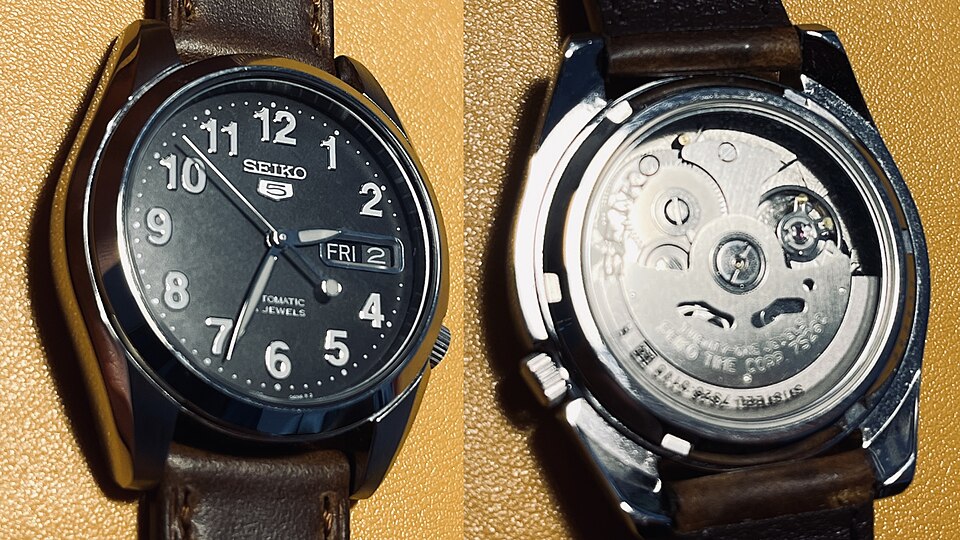
For most buyers, Seiko watches are good for the money because they deliver an in-house automatic, solid build and a design with real history at prices where most rivals use outsourced movements. A Seiko 5 Sports gives you a hacking, hand-winding automatic with a display caseback for roughly the price of a fashion-brand quartz watch.
The value is strongest in the middle of the range. A Presage Cocktail Time or a 6R35 Prospex costs far less than a Swiss watch with similar dial quality and power reserve. The value is weakest at the very bottom, where Orient sometimes offers sapphire for less, and at the top of the Seiko line, where some limited editions cost close to an entry Grand Seiko.
Where are Seiko watches made?
Seiko makes watches in Japan and at its own factories elsewhere in Asia. Higher-end lines such as King Seiko, many Prospex models and all Grand Seiko watches are made in Japan, while many affordable Seiko 5 and Presage models are assembled at Seiko plants in other Asian countries using Seiko movements.
For many references you will see a letter at the end, such as J or K. References ending in J are typically the Japan-made versions and often cost a little more. In practice the movement and specs are the same, so the choice mostly matters to collectors.
How to tell if a Seiko is a good buy
A few checks quickly separate the strongest Seikos from the weaker ones:
- Check the caliber. A 6R35 or 6R55 gives you about 70 hours of reserve and tighter accuracy than a 4R36.
- Check the crystal. Sapphire stays clear for years; Hardlex is tougher against cracks but scratches more easily.
- Compare the price with rivals. If an Orient or Citizen offers sapphire and similar specs for less, the Seiko needs a design you prefer to be worth it.
- Buy from an authorized dealer or a trusted seller to keep the warranty and avoid fakes.
- Inspect the bezel alignment when the watch arrives and return it if it bothers you.
Common Seiko complaints
Seiko's weak points are well known, and most of them affect the cheaper models. None is a deal breaker, but it helps to know them before you buy.
- Loose accuracy on entry automatics: the 4R36 rating allows more than half a minute a day, and some pieces run fast out of the box
- Bezel and chapter ring alignment: owners regularly report bezels or inner rings slightly off the 12 o'clock marker on affordable divers
- Hardlex crystals: Seiko's own hardened mineral glass resists cracks but scratches more easily than the sapphire that some rivals now use
- Basic bracelets: stamped clasps and hollow end links on cheaper models
- Rising prices: Seiko prices have climbed steadily, so some models now compete with sapphire-equipped rivals that cost less
Against those issues, Seiko's reputation for reliability is strong. Its movements are known for running for many years with little attention, and parts are easy to find.
Seiko watches reviews: the models worth buying
The best Seiko watches are the ones that sit at the sweet spot of their tier. These three cover most needs and are covered in more detail elsewhere on the site.
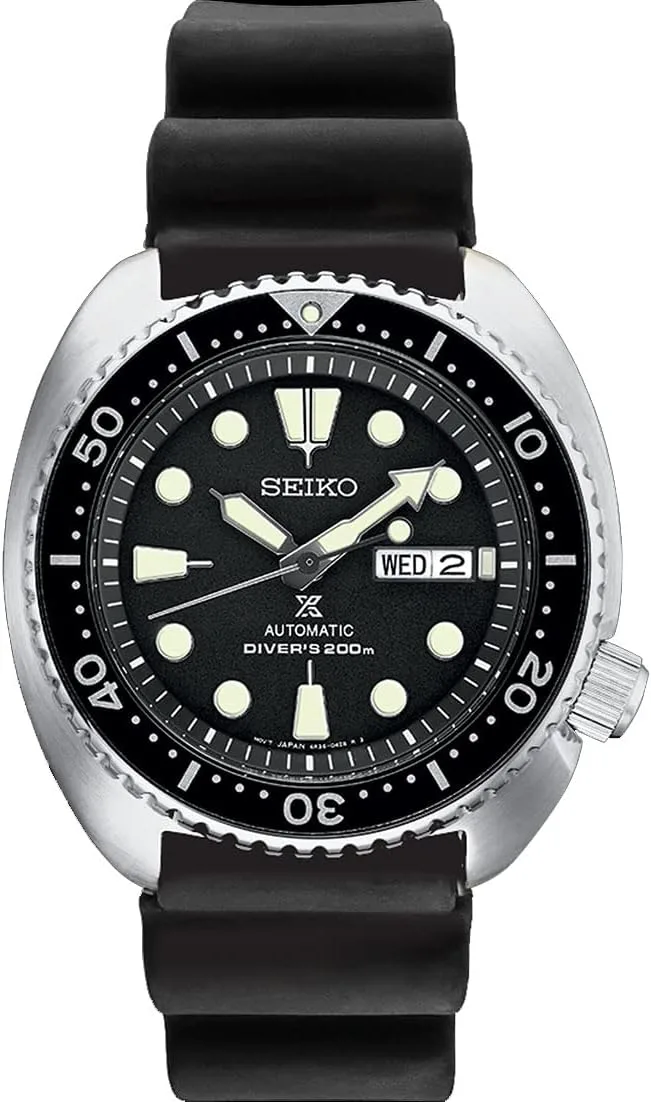
Seiko 5 Sports: the best first Seiko
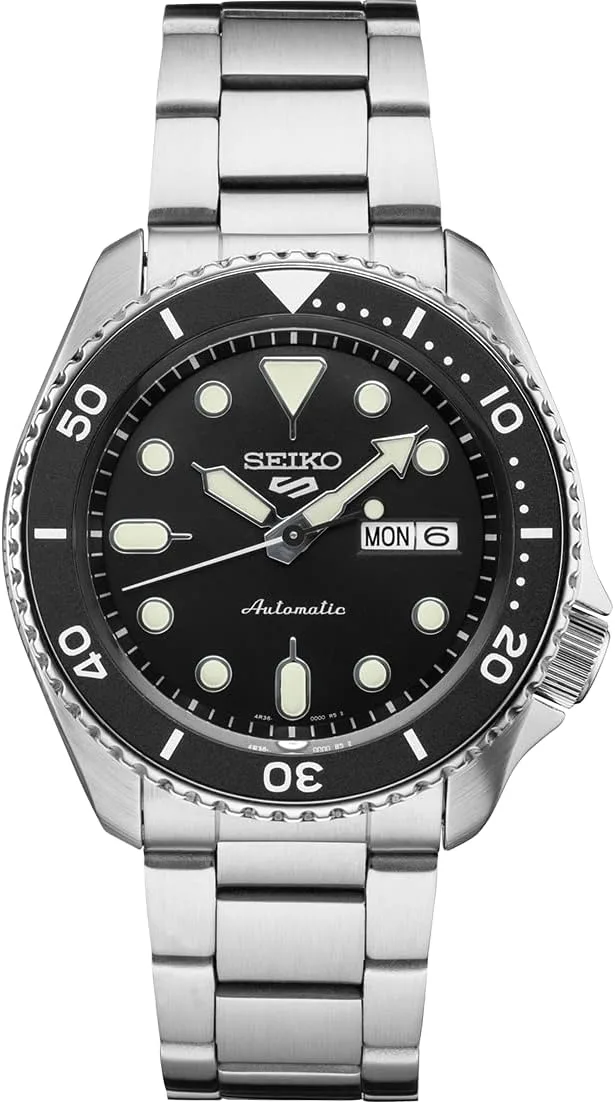
The Seiko 5 Sports is the entry point to Seiko automatics. It uses the 4R36 with day and date, a display caseback and 100 m of water resistance, usually for $220 to $300, and it comes in more colors and styles than any other Seiko. It is the watch we recommend to most people buying their first automatic; see our full Seiko 5 Sports review.
Seiko Presage Cocktail Time: the best dress Seiko
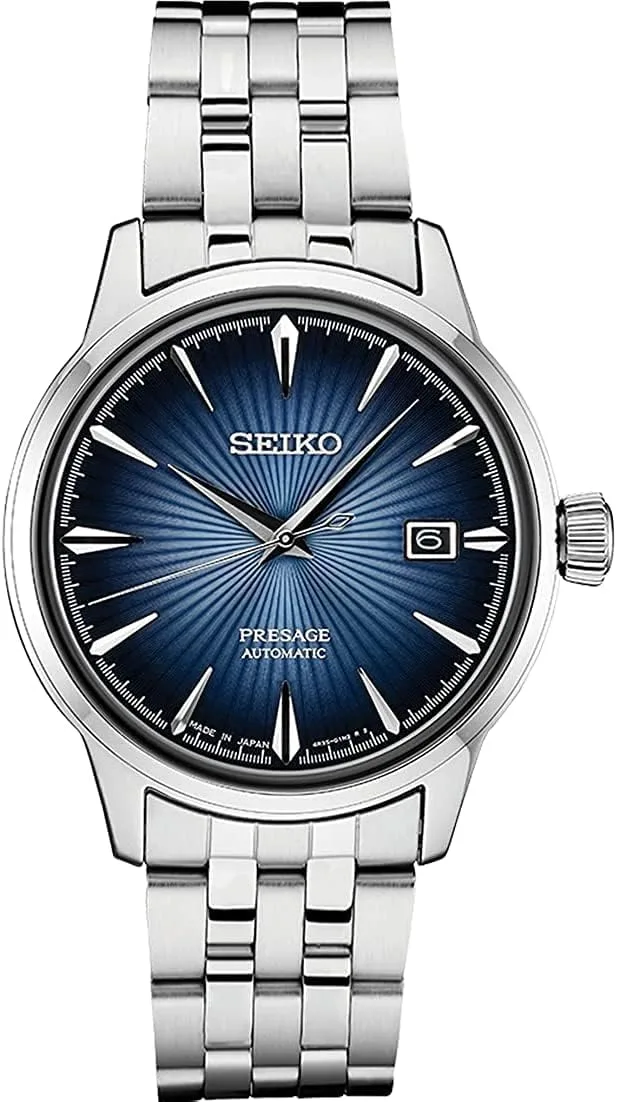
The Presage Cocktail Time SRPB41 is famous for its textured blue dial, which looks far more expensive than its usual $380 to $475 price. It uses the 4R35 automatic and is the Seiko to choose for the office, weddings or anyone who wants a dressier watch.
Seiko Prospex Turtle: the best Seiko dive watch for the money
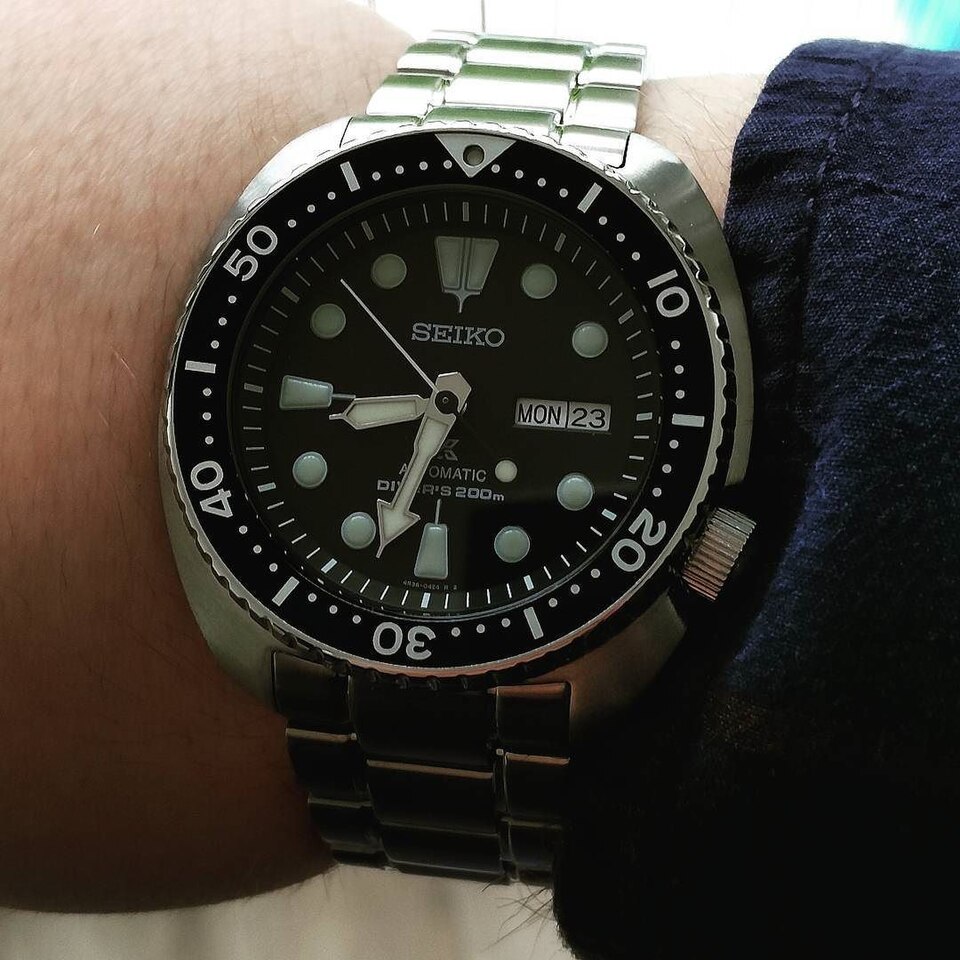
The Prospex Turtle SRPE93 is a 45 mm cushion-case diver with 200 m of water resistance, based on a 1970s design. It uses the 4R36 and usually costs $300 to $450. It is large, so it suits bigger wrists, but it is one of the most trusted affordable divers made.
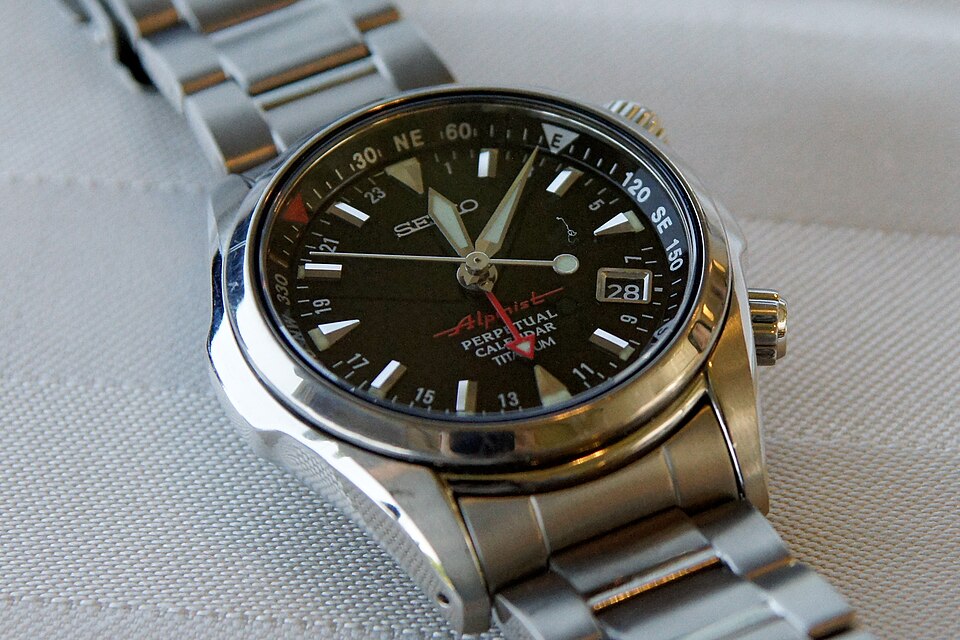
If you can stretch the budget, the Prospex Alpinist adds the 6R35 movement with its 70-hour reserve, which is a meaningful step up in daily use.
Seiko vs the competition
Seiko's closest rivals are Citizen, Orient and the entry Swiss brands, and each beats Seiko in at least one area.
- Citizen: stronger in solar quartz with Eco-Drive, and its automatics often have better accuracy specs; read our Seiko vs Citizen comparison
- Orient: part of the Seiko Epson group, and often gives you sapphire for less money, as in the Orient Kamasu review
- Tissot and Hamilton: entry Swiss brands with 80-hour movements, at higher prices than comparable Seikos
Seiko's advantage is breadth. No rival offers as many good watches from $100 to $10,000 under one name and the luxury Grand Seiko line above it.
Is Grand Seiko the same as Seiko?
Grand Seiko started as Seiko's luxury line in 1960 and now operates as a separate brand. It shares the company's manufacturing base but is built and finished to a different standard, with movements such as Spring Drive and hand-polished cases. A Grand Seiko competes with Swiss luxury brands rather than with Seiko 5 or Presage watches, so treat it as its own category when you compare prices.
Who should buy a Seiko
A Seiko suits buyers who want a reliable, good-looking watch with real history at a fair price. It is an especially good first automatic.
Skip it if:
- You want sapphire at the lowest price; Orient often offers it for less
- You need accuracy within seconds a day; choose a quartz or solar watch
- You expect perfect finishing on a sub-$300 watch
How we evaluated Seiko
We have not tested these watches on our wrists for this guide. We reviewed Seiko's official specifications for each caliber, compared typical prices across lines, read a large sample of owner reviews and compared Seiko with its main rivals at the same prices.
FAQ
Yes. Seiko makes almost every part of its watches in-house and has decades of experience. Entry models are reliable but simpler, while mid-range Presage and Prospex watches offer much better finishing and movements.
Not at its core. Seiko is an affordable to mid-range brand with some premium lines, while Grand Seiko is its separate luxury brand that competes with Swiss luxury watches.
Neither is simply better. Seiko is stronger in affordable automatics and dive watches; Citizen leads in solar quartz with Eco-Drive. Choose by the type of watch you want.
With occasional servicing, a Seiko automatic can run for decades. Quartz models mainly need battery changes every few years.
Seiko quartz watches are very accurate. Entry automatics with the 4R36 are rated at +45 to -35 seconds a day, while 6R35 and 6R55 models are rated at +25 to -15.
The Seiko 5 Sports. It is affordable, durable, comes in many styles and is a good introduction to automatic watches.
Our verdict
So, are Seiko watches good? Yes, and at the right price they are some of the best values in watchmaking. Choose a Seiko 5 Sports for a first automatic, a Presage for a dress watch or a Prospex for diving, and step up to a 6R-powered model if you want longer power reserve and tighter accuracy. Go in knowing that the cheapest models trade some precision and finishing for price.
Check the Seiko 5 Sports on AmazonImage credits: Seiko Prospex Turtle by gabihil, public domain; Seiko 5 automatic by Racomi, CC BY-SA 4.0; Seiko Prospex Alpinist by 663highland, CC BY 2.5.